
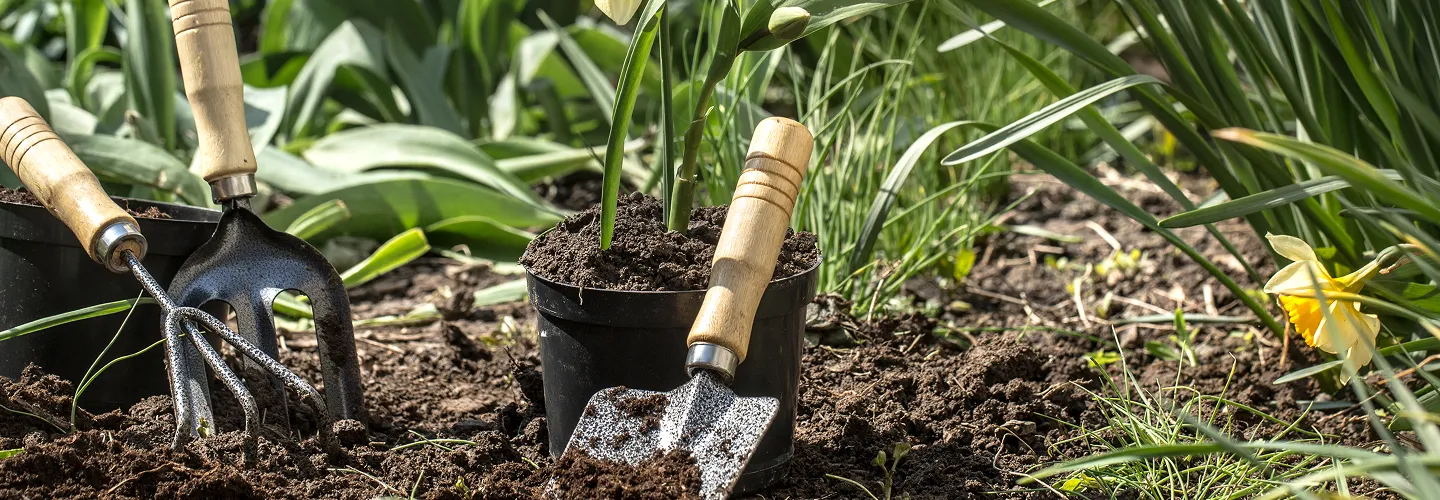
Naperville Green Waste Disposal Services
Choose our Green Waste Disposal for reliable, environmentally responsible service that keeps your property clean and supports a healthier community.
Get a Free QuoteOur Naperville Landscaping & Yard Care Services
When to Schedule Green Waste Disposal in Naperville, IL – Seasonal Guide
In Naperville, the optimal times for green waste disposal are closely tied to our unique Midwest climate and the city’s diverse landscape. Spring and fall are typically the busiest seasons, as residents in neighborhoods like Ashbury, Cress Creek, and near the Riverwalk prepare their yards for the changing weather. Early spring, after the last frost date, is ideal for clearing winter debris and pruning, while late fall is best for disposing of leaves and preparing gardens for winter dormancy.
Local environmental factors such as Naperville’s clay-heavy soils, variable humidity, and the risk of late spring frosts can influence the timing of your green waste removal. Areas with dense tree coverage, like those near Knoch Knolls Park, may require more frequent service, especially after heavy storms or during peak leaf drop. It’s also important to stay updated on municipal collection schedules and any seasonal restrictions by visiting the City of Naperville Official Website.
Local Factors to Consider for Green Waste Disposal in Naperville
- Tree density and species in your neighborhood
- Proximity to shaded areas or water features (e.g., DuPage River)
- Typical precipitation patterns and drought risk
- Soil type (clay vs. loam) affecting yard cleanup needs
- Municipal collection schedules and local restrictions
- Recent weather events (storms, high winds, or late frosts)
- Terrain and accessibility for disposal vehicles
Benefits of Green Waste Disposal in Naperville
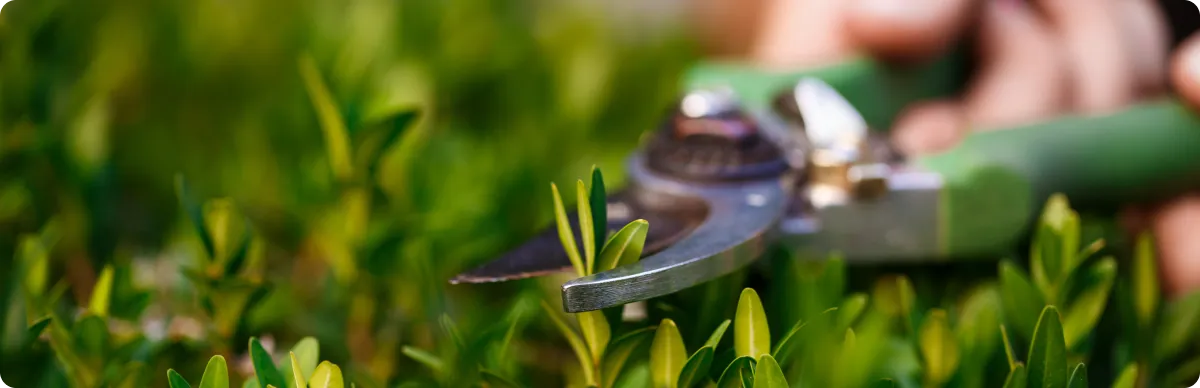
Eco-Friendly Landscaping Solutions
Efficient Green Waste Removal
Cost-Effective Yard Cleanup
Improved Curb Appeal
Compliance With Local Regulations
Convenient Scheduling Options
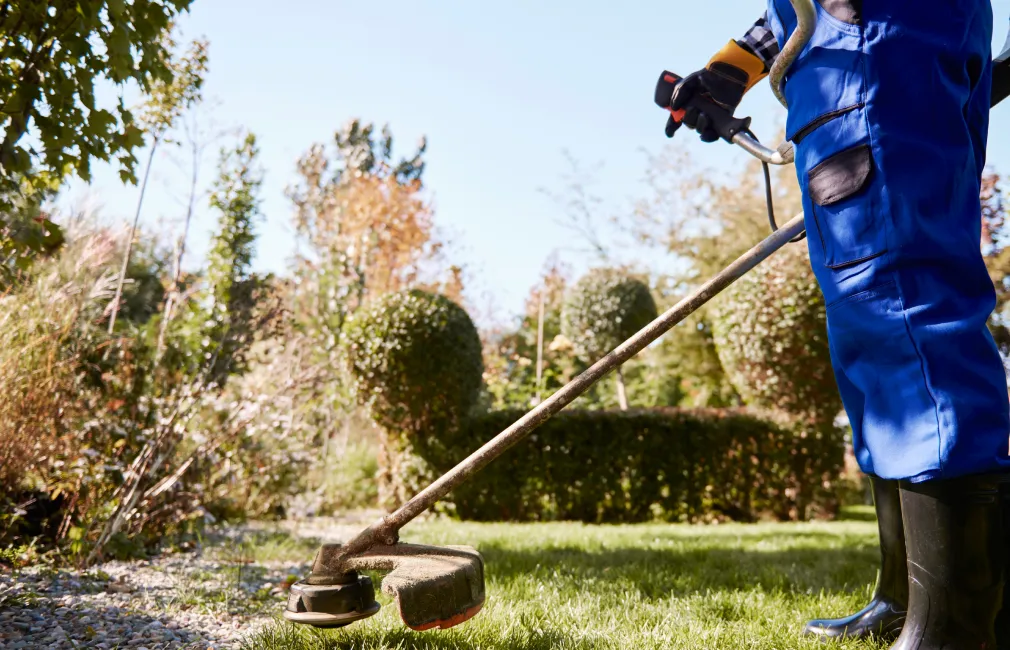
Naperville Green Waste Disposal Types

Grass Clippings
-
Leaves Collection
-
Tree Branches
-
Shrub Trimmings
-
Garden Debris
-
Weeds Removal
-
Mulch Recycling
Our Green Waste Disposal Process
Collection of Green Waste
Sorting and Separation
Transport to Disposal Facility
Eco-Friendly Processing
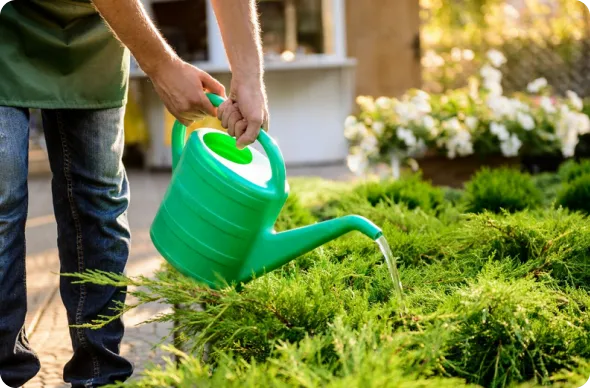
Why Choose Naperville Landscape Services
-
Naperville Homeowners Trust Us
-
Expert Lawn Maintenance
-
Reliable Seasonal Cleanup
-
Competitive Pricing
-
Professional Team
-
Satisfaction Guarantee
-
Personalized Service
Contact Naperville's Department of Public Works for Seasonal Green Waste Collection & Municipal Composting Programs
Naperville offers a robust seasonal green waste collection program, typically running from early April through late November, with weekly curbside pickup by neighborhood. Residents should place biodegradable paper yard waste bags or properly bundled brush at the curb by 6 a.m. on their scheduled collection day, ensuring materials are at least three feet from storm drains and utility boxes. During peak fall leaf season, collection is often extended to accommodate increased volume. The city also operates a Transfer Station for organic waste drop-off, requiring a resident permit or sticker, with set hours and volume limits per visit. Fees may apply for large loads, and proof of residency is required. Specialized services include brush and branch pickup (bundles up to 4 feet long and 50 pounds), Christmas tree collection in January, and emergency storm debris management. Finished compost is available to residents through municipal or regional partnerships, with periodic bulk delivery programs and educational workshops supporting community gardens and sustainable landscaping. For more information:
Naperville Department of Public Works
400 S. Eagle Street, Naperville, IL 60540
Phone: (630) 420-6095
Official Website: Naperville Public Services
Understanding Green Waste Volume & Decomposition Dynamics in Naperville's Prairie Clay & Glacial Till Soils
Naperville's landscape is shaped by prairie clay and glacial till soils, as identified by the USDA Web Soil Survey, which are moderately to poorly drained and high in clay content. These soils slow organic matter decomposition, especially during wet springs or after heavy rainfall, leading to rapid green waste accumulation in densely vegetated areas. The city's tree canopy is dominated by oaks, maples, elms, ash, and honey locust, resulting in significant leaf and branch volume during spring and fall. Naperville's climate, with a long growing season, frequent precipitation, and freeze-thaw cycles, further influences green waste generation and collection timing. Severe weather events, such as tornadoes and heavy storms, can cause sudden surges in debris, requiring flexible management strategies. Urban heat island effects in developed areas may accelerate decomposition, while floodplains and high water tables present additional challenges for timely waste removal and soil health.
Naperville's Implementation of Illinois Organic Waste Management Requirements for Residents
Illinois law, under the Illinois Environmental Protection Act, prohibits yard waste disposal in landfills and mandates organic waste diversion. Naperville enforces these requirements through comprehensive curbside collection, resident education, and coordination with regional composting facilities. Commercial entities, including landscapers and institutions, must comply with organic waste diversion and reporting standards. The city provides clear guidelines, monitors compliance, and issues warnings or fines for improper disposal. Resident outreach includes workshops, informational mailings, and online resources. Naperville collaborates with the Illinois Environmental Protection Agency for facility permitting, diversion tracking, and technical support, ensuring all programs meet state and federal standards. Community composting initiatives and partnerships with local organizations further support landfill diversion and sustainable waste management.
Naperville Community Development/Environmental Services
400 S. Eagle Street, Naperville, IL 60540
Phone: (630) 420-6694
Official Website: Naperville Environmental Sustainability
Proper Preparation & Sorting of Green Waste Materials for Naperville's Collection Programs
Residents must follow specific preparation guidelines to ensure efficient collection and compliance. Acceptable green waste materials include:
- Grass clippings (fresh and dried)
- Deciduous and evergreen leaves
- Garden debris (vegetable waste, flower bed cleanings, pruned materials)
- Brush and branches (bundled, max 4 feet long, 50 pounds)
- Pumpkins, Christmas trees, holiday greenery
- Hedge trimmings and weeds
Prohibited materials:
- Soil, rocks, and stones
- Treated lumber and construction debris
- Diseased plant materials (special handling required)
- Invasive species (buckthorn, bush honeysuckle, garlic mustard)
- Plastic containers, wire, and contaminated organics
- Stumps and large roots
Preparation steps:
- Use biodegradable paper bags or bundle brush with natural twine
- Remove all plastic, wire, and non-organic debris
- Place materials curbside by 6 a.m. on collection day
- Keep piles away from storm drains and utilities
- Separate storm debris from construction waste after severe weather
For storm debris, follow emergency collection instructions and prioritize safety during cleanup. For more details:
Naperville Department of Public Works
400 S. Eagle Street, Naperville, IL 60540
Phone: (630) 420-6095
Official Website: Naperville Public Services
Naperville Environmental Compliance Guidelines for Green Waste Management Near Protected Areas
Green waste activities near Naperville's streams, wetlands, and conservation areas are subject to strict environmental oversight. Buffer zones must be maintained to prevent runoff and protect sensitive habitats. Organic materials may be used for erosion control in designated buffer areas, but leaf and debris retention is often required in conservation zones to support natural processes. Invasive species must be bagged and disposed of according to municipal and Illinois Department of Natural Resources guidelines to prevent spread. Seasonal restrictions may apply during wildlife nesting periods, and natural debris should be left undisturbed in certain areas to provide habitat. Coordination with city and state agencies ensures compliance with biodiversity and conservation goals.
Illinois Department of Natural Resources
One Natural Resources Way, Springfield, IL 62702
Phone: (217) 782-6302
Official Website: Illinois Department of Natural Resources
Protecting Naperville's Water Quality Through Green Waste Management & NPDES Stormwater Compliance
Proper green waste management is essential for protecting Naperville's water resources, including the DuPage River, Springbrook Creek, and local wetlands. The city operates under an NPDES MS4 stormwater permit, requiring measures to prevent organic matter from entering storm drains and waterways. Residents should avoid placing yard waste near drains and follow staging guidelines to prevent runoff. Effective management reduces nitrogen and phosphorus loading, preventing algae blooms and oxygen depletion in local water bodies. Composting and mulching enhance soil health, support carbon sequestration, and reduce landfill methane emissions. These practices align with Naperville's climate action and sustainability initiatives, benefiting both the environment and the community.
U.S. Environmental Protection Agency, Region 5
77 West Jackson Boulevard, Chicago, IL 60604
Phone: (312) 353-2000
Official Website: U.S. Environmental Protection Agency, Region 5
For more on stormwater compliance, visit EPA NPDES and Clean Water Act.
On-Site Green Waste Management: Composting, Mulching & Sustainable Practices in Naperville
Residents are encouraged to manage green waste on-site through composting, mulch-mowing, and grasscycling. Compost bins must be set back 10-20 feet from property lines and at least 50-100 feet from wells, with size limits per local ordinance. Best practices include:
- Maintain a balanced carbon-to-nitrogen ratio (browns vs. greens)
- Monitor moisture, especially during wet springs and hot summers
- Turn piles regularly to promote aeration and pathogen elimination
- Avoid composting meat, dairy, oils, pet waste, diseased plants, and invasive species
- Use mulch-mowing for light leaf coverage and well-drained lawns
- Leave organic debris in naturalized areas or chip brush for mulch
- Integrate rain gardens for stormwater management
For educational resources and workshops:
University of Illinois Extension
1100 E. Warrenville Road, Suite 170, Naperville, IL 60563
Phone: (630) 955-1123
Official Website: University of Illinois Extension
What Neighborhoods Do We Serve Throughout Naperville, IL?
Naperville's neighborhoods each present unique green waste management needs:
- Downtown Naperville: Historic homes with mature oaks and maples, narrow streets, and alley collection; high leaf volume in fall, limited space for on-site composting.
- Brookdale & Cress Creek: Large single-family lots, dense tree canopy, and proximity to the DuPage River; high spring and fall debris, floodplain considerations, and buffer zone compliance.
- White Eagle & Tall Grass: Newer developments with younger landscapes, HOA-managed green spaces, and shared collection points; moderate green waste, focus on education and compliance.
- Hobson West & Maplebrook: Established neighborhoods with mixed tree species, active gardening, and wide streets; intensive spring/fall cleanup, easy collection access.
- Springbrook Prairie Area: Adjacent to conservation land, prairie restoration, and wetlands; native plantings, naturalized debris retention, and environmental restrictions.
- Carillon Club & Senior Communities: Smaller lots, shared maintenance, and additional support needs; lower volume, but require accessible collection and education.
- East Highlands: Rolling terrain, mature trees, and stormwater management challenges; early leaf drop, high storm debris vulnerability, and infrastructure considerations.
Naperville Municipal Ordinances for Green Waste Equipment Operation & Commercial Services
Naperville enforces ordinances regulating green waste equipment operation and commercial services. Equipment use is restricted to designated hours (typically 7 a.m. to 7 p.m. on weekdays, later start on weekends) to minimize noise. Commercial haulers and landscapers must be licensed and comply with disposal regulations, including proper documentation and use of approved facilities. Residents and contractors are prohibited from placing green waste in the right-of-way outside collection periods. Enforcement includes routine inspections, fines for violations, and education on best practices. For permit and licensing information:
Naperville Building Department
400 S. Eagle Street, Naperville, IL 60540
Phone: (630) 420-6100
Official Website: Naperville Permits and Licenses
For park and community garden support:
Naperville Park District
320 W. Jackson Avenue, Naperville, IL 60540
Phone: (630) 848-5000
Official Website: Naperville Park District
By following these guidelines and participating in Naperville's green waste programs, residents contribute to a cleaner, healthier, and more sustainable community, supporting local environmental goals and regulatory compliance.